
TechBBN TECH
Lab lasers mimic solar flares to probe the Sun's heat mystery
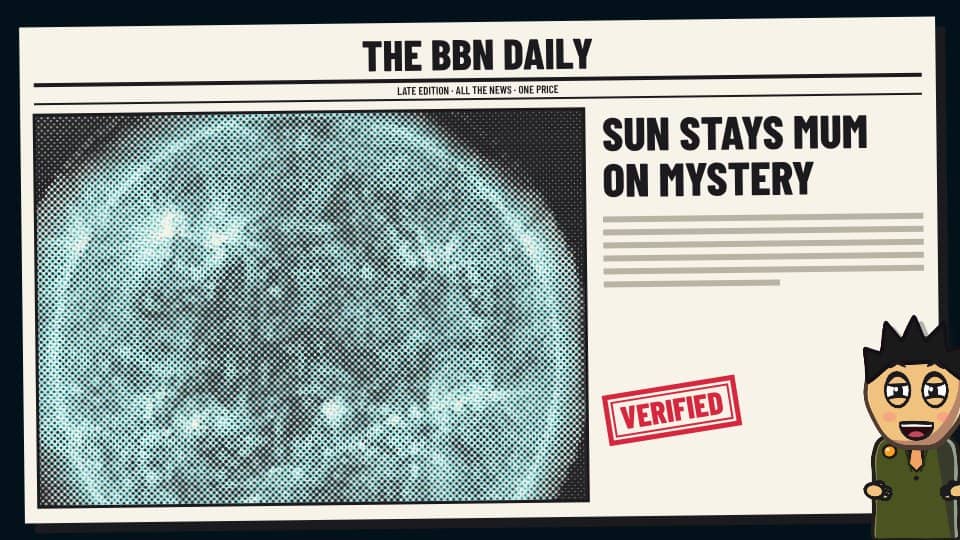
Researchers at China's Shenguang-II laser facility used rippled targets and four laser beams to study magnetic reconnection, a process possibly behind the corona's extreme heat; the Sun remains unavailable for comment.

 On air: Dr. Nina Byte and Kenji Moonfield on Best of BBN
Published
At a glance
- First reported by ScienceAlert: “Scientists Simulated Solar Explosions in The Lab – And May Have Solved One of The Sun's Biggest Mysteries”.
- Covered on BBN on Sunday, October 25, 2026, at 5:35 AM ET on Best of BBN, by Dr. Nina Byte and Kenji Moonfield.
- Topics: Sun.
- BBN covered this story before: Where does the Sun go at night? (October 25).
The real story
The reporting behind this segment. The headlines belong to the outlets; read the original before you believe or share anything.
What BBN said about it
Dr. Nina Byte · Tech & Science CorrespondentResearchers in Shanghai fired four lasers at a plastic target to mimic tiny solar flares, hoping to explain why the Sun's atmosphere tops a million degrees while its surface sits near fifty-five hundred.
Kenji Moonfield · Internet & Trends CorrespondentThe pulses lasted a billionth of a second. That's the shortest main event I've ever seen.
Dr. Nina Byte · Tech & Science CorrespondentIt's a lab version, with denser plasma and no full magnetic buildup, so it's a clue and not a verdict.
Dr. Nina Byte · Tech & Science CorrespondentThe Sun is still the hottest thing at the office.
The story so far
- How to Address Tech Neck and Sun Damage for Smoother-Looking Skin · E! News
- Where does the Sun go at night? · NASA
- Lab lasers mimic solar flares to probe the Sun's heat mystery (this story)
From the archive: everything BBN aired on Sunday, October 25, 2026 · the Tech archive · all months
More in Tech
All Tech →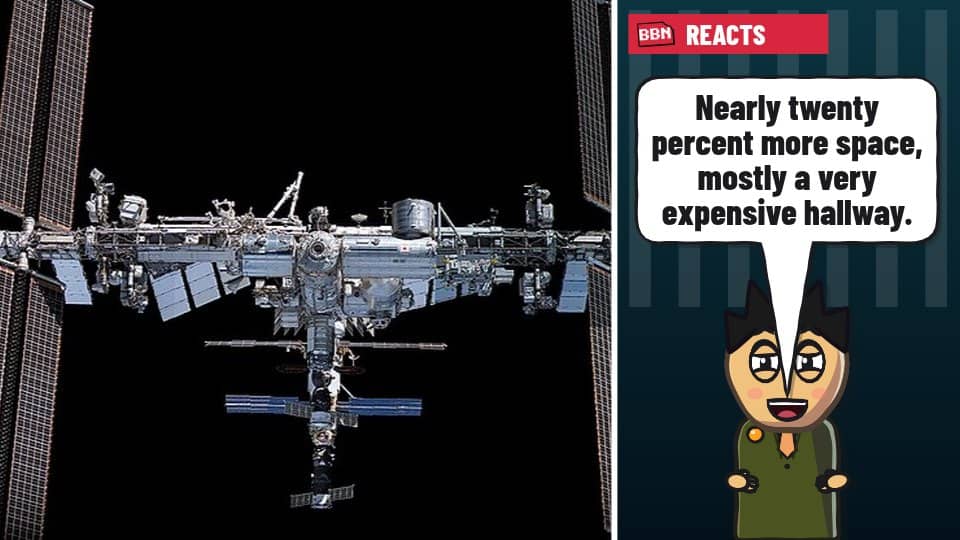
Discovery launches Harmony module to the space station
The module added nearly twenty percent to the station's living space and carries five connecting points for other modules; mostly it's a very…
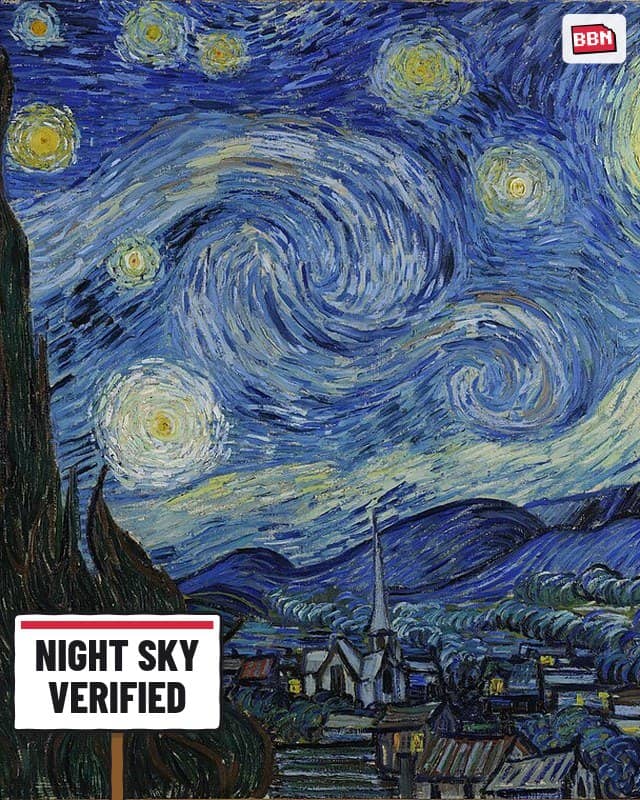
Astronomers Say Starry Night Matches a July 1889 Sky
The Van Gogh Museum says star positions cannot reliably date the painting, and astronomer Don Olson disputes the Venus match; the study's lead…
Billionaire villain flinches at gas prices in YouTube short
The short has 14,363,791 views and sits at number two on YouTube's U.S. comedy trending chart; the cartoon, at least, had a reaction.
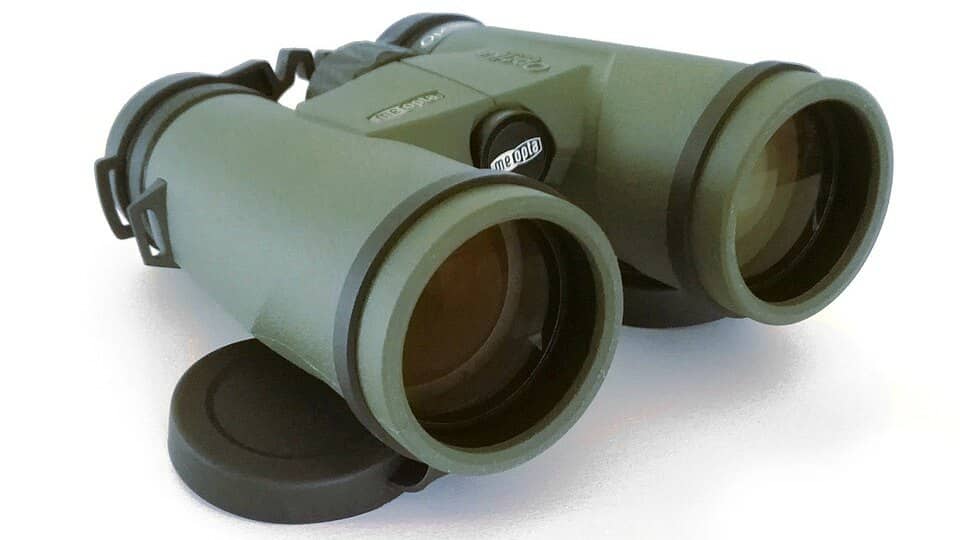
"just use binoculars bro" short by senyrz hits 23.7 million views
The Short's description labels the clip a fake deleted scene from the 2010 comedy Grown Ups, and it ranks sixth on the U.S. trending chart for comedy.