
TechBBN TECH
Scientists Replicate Infamous Worm Memory Transfer Study
The nineteen-sixties experiment fed ground-up trained planarian worms to untrained ones; one published replication in nineteen sixty-six failed; a rarely mentioned detail, that.

 On air: Dr. Nina Byte and Kenji Moonfield on Weekend Edition
Published
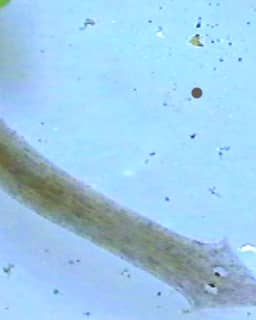
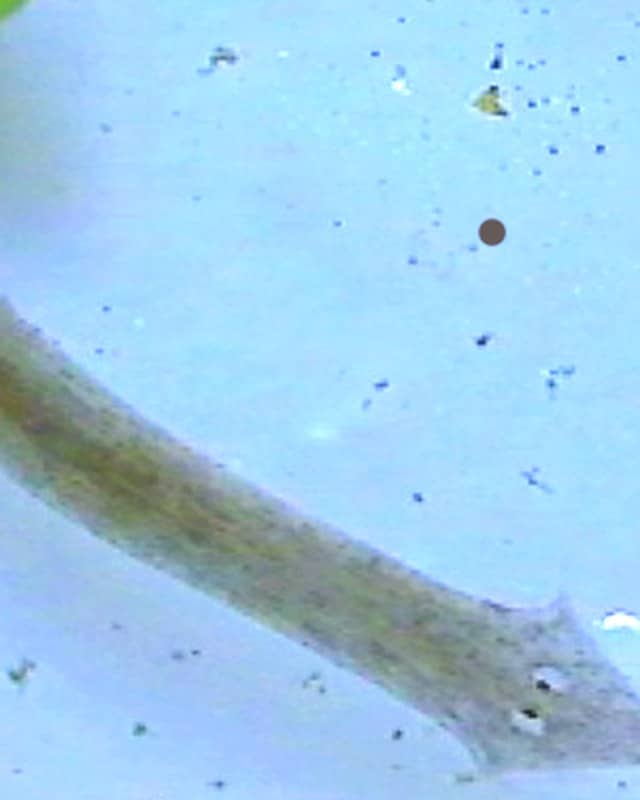 Photo: Mike6271 · Public domain · Wikimedia Commons
Watch it as it aired: Dr. Nina Byte and Kenji Moonfield on this story, from Weekend Edition at 12:39 PM ET. Cartoon anchors, real headline: the facts are Wired's, the jokes are ours.
At a glance
- First reported by Wired: “Are Memories Transferable? Meet the Scientists Replicating an Infamous Study to Find Out”, with reporting from Nautilus, Springer, Psychonomic Science and Psychology Today.
- Covered on BBN on Saturday, October 31, 2026, at 12:39 PM ET on Weekend Edition, by Dr. Nina Byte and Kenji Moonfield.
The real story
The reporting behind this segment. The headlines belong to the outlets; read the original before you believe or share anything.
- WiredAre Memories Transferable? Meet the Scientists Replicating an Infamous Study to Find Out
- NautilusDecapitation, But Not Cannibalism, Might Transmit Memories - Nautilus facts used on air
- Springer, Psychonomic ScienceMemory transfer vs. sensitization in cannibal planarians - Psychonomic Science July 1, 1966 · facts used on air
- Psychology TodayIs Memory Transfer Possible? facts used on air
What BBN said about it
Dr. Nina Byte · Tech & Science CorrespondentScientists are now replicating a nineteen-sixties experiment in which trained flatworms were ground up and fed to untrained flatworms, to see if memory passes along, Wired reports.
Kenji Moonfield · Internet & Trends CorrespondentHold on. The worms ate each other and got smarter?
Dr. Nina Byte · Tech & Science CorrespondentThat was the claim.
Dr. Nina Byte · Tech & Science CorrespondentResearcher James McConnell wrote that his first pilot study gave such unbelievable results, and he published it in his own sometimes-satirical journal, The Worm Runner's Digest.
Kenji Moonfield · Internet & Trends CorrespondentOkay, that's a launch strategy. Drop it in your own feed, let it spread, and the fans show up before the fact-checkers do.
Dr. Nina Byte · Tech & Science CorrespondentA group led by Hartry replicated it in nineteen sixty-four, but only sort of. And some researchers said it was tissue sensitization, not memory transfer.
Kenji Moonfield · Internet & Trends CorrespondentSort of is a bold review.
Dr. Nina Byte · Tech & Science CorrespondentHere's the catch.
Dr. Nina Byte · Tech & Science CorrespondentWalker and Milton's nineteen sixty-six attempt failed to reproduce it, and a later review says it controlled for several confounds and is rarely mentioned. The sensational finding lasted until the worms stopped learning.
Dr. Nina Byte · Tech & Science CorrespondentVerdict: unproven, but newer RNA experiments have been cited as support, so I'll allow the worms one more audition.
Kenji Moonfield · Internet & Trends CorrespondentSo the worms ate each other, the journal was partly a joke, and the only thing nobody could replicate was the part where it's real.
More Shorts
All videos → Photo: Solen Feyissa · CC BY-SA 2.0 · Wikimedia Commons · altered by BBN, shared under CC BY-SA 2.0
 Photo: Tomasz Sienicki [user: tsca · CC BY-SA 3.0 · Wikimedia Commons · altered by BBN, shared under CC BY-SA 3.0
 Photo: 首相官邸ホームページ / Office of the Prime · CC BY 4.0 · Wikimedia Commons
 Photo: Theo Von · CC0 · Wikimedia Commons · altered by BBN
 Photo: Gage Skidmore · CC BY-SA 4.0 · Wikimedia Commons · altered by BBN, shared under CC BY-SA 4.0
 Photo: Lyles BBQ · Public domain · Wikimedia Commons · altered by BBN
 Photo: Craig Howell · CC BY 2.0 · Wikimedia Commons · altered by BBN





From the archive: everything BBN aired on Saturday, October 31, 2026 · the Tech archive · all months
More in Tech
All Tech →TikTok is building a super app, from restaurant guides to payments
TikTok says its Must Eat guide draws on more than forty million food posts and starts in three U.S. regions; the app also eyes payments.
Study Tracks Mood of 38,467 Songs by 230 Artists
Michigan State researchers ran lyrics from songs dated 1947 to 2024 through a word-counting program that sorts them by emotion; it cannot detect…
Writer builds an AI Tamagotchi before Meta's Muse Charm ships
Meta's Muse Charm, an AI companion with a two-inch screen, is set to ship in December, though the date and price are unsettled; a writer built his…
Theo Von catches Neil deGrasse Tyson off guard in a viral Short
The exchange comes from Theo Von's podcast This Past Weekend, and a separate thirty-eight-second Short from another channel carries it too; Tyson…