
TechBBN TECH
Black hole outburst shapes a neon treble clef in space
Italian astronomer Andrea Botteon led the paper, published in Astronomy and Astrophysics, on a giant radio structure likely made by a black hole outburst and a cluster collision; the pink is added.

 On air: Dr. Nina Byte and Kenji Moonfield on BBN Newsroom
Published
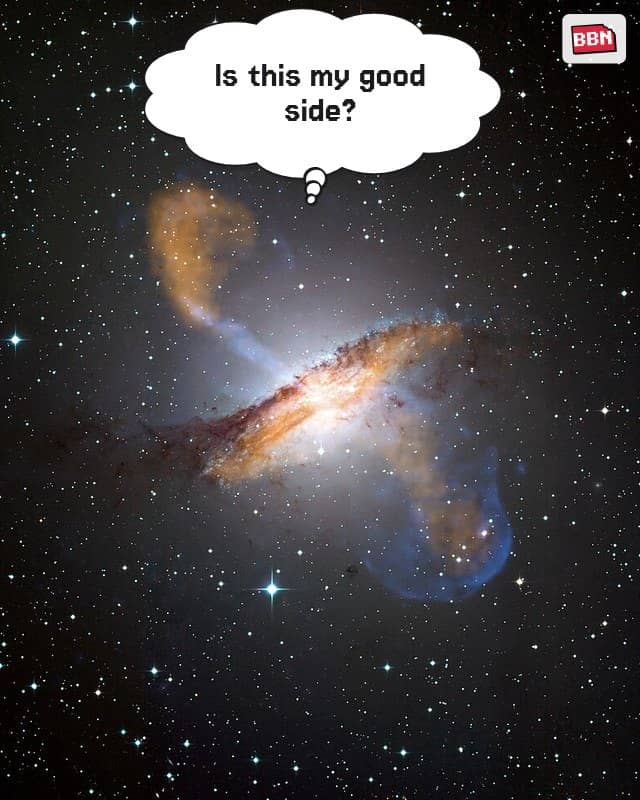 Photo: ESO/WFI (Optical); MPIfR/ESO/APEX/A.Weiss et al.… · CC BY 4.0 · Wikimedia Commons · altered by BBN
Watch it as it aired: Dr. Nina Byte and Kenji Moonfield on this story, from BBN Newsroom at 3:17 PM ET. Cartoon anchors, real headline: the facts are Space.com's, the jokes are ours.
At a glance
- First reported by Space.com: “Supermassive black hole blasts out a neon 'treble clef' | Space photo of the day for Oct. 16, 2026”.
- Covered on BBN on Tuesday, October 20, 2026, at 3:17 PM ET on BBN Newsroom, by Dr. Nina Byte and Kenji Moonfield.
The real story
The reporting behind this segment. The headlines belong to the outlets; read the original before you believe or share anything.
What BBN said about it
Dr. Nina Byte · Tech & Science CorrespondentAstronomers have spotted a huge radio structure in space that looks like a treble clef, Space.com reports, and it is almost certainly not a coincidence you find charming.
Kenji Moonfield · Internet & Trends CorrespondentA supermassive black hole's outburst followed by a galaxy cluster collision made this. Nature's idea of a concept album.
Dr. Nina Byte · Tech & Science CorrespondentIt is a radio structure inside a galaxy cluster, and the pink is a color assigned to radio signals in the composite image.
Dr. Nina Byte · Tech & Science CorrespondentSpace itself is not neon.
Kenji Moonfield · Internet & Trends CorrespondentSo it is a filter. Even the cosmos edits its photos.
Dr. Nina Byte · Tech & Science CorrespondentResearchers say the shape was likely made by an outburst from a supermassive black hole, followed by a collision of two galaxy clusters, per NASA.
Kenji Moonfield · Internet & Trends CorrespondentAn outburst and then a crash. That is a first single and a remix, and the remix always goes harder.
Dr. Nina Byte · Tech & Science CorrespondentThat is the fourth thing on my list of your mistakes.
Dr. Nina Byte · Tech & Science CorrespondentThe black hole outburst drove charged particles and magnetic fields away at close to the speed of light, per NASA Science.
Kenji Moonfield · Internet & Trends CorrespondentCan we stream it?
Dr. Nina Byte · Tech & Science CorrespondentThe catch is that it sits almost directly behind the plane of the Milky Way, so our own stars, gas and dust block much of the view. And I suspect the AI writing this picked a symbol for sound because it has never heard anything.
More Shorts
All videos → Photo: Esfand · CC BY 3.0 · Wikimedia Commons · altered by BBN
 Photo: Jan Baegert · Public domain · Wikimedia Commons · altered by BBN
 Photo: US Government / NIST · Public domain · Wikimedia Commons · altered by BBN
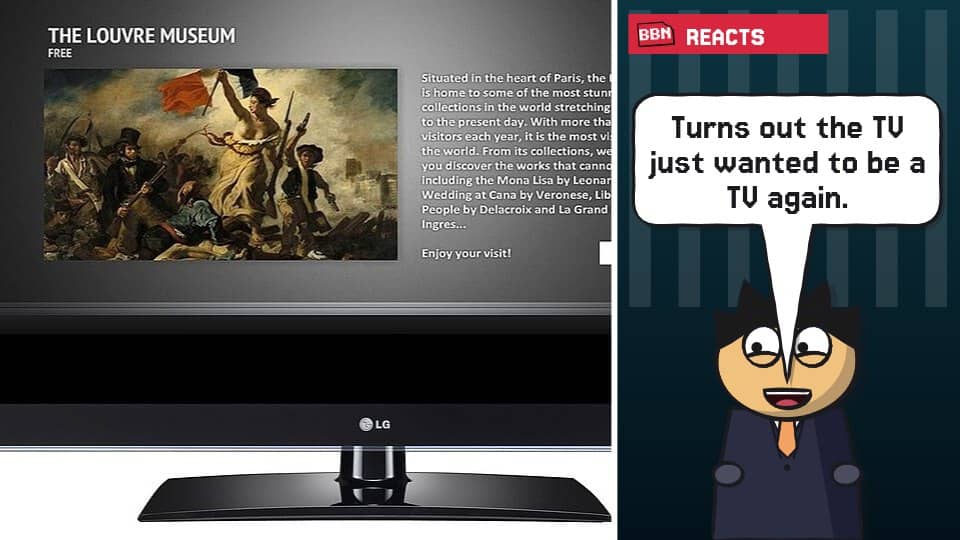 Photo: LG전자 · CC BY 2.0 · Wikimedia Commons · altered by BBN
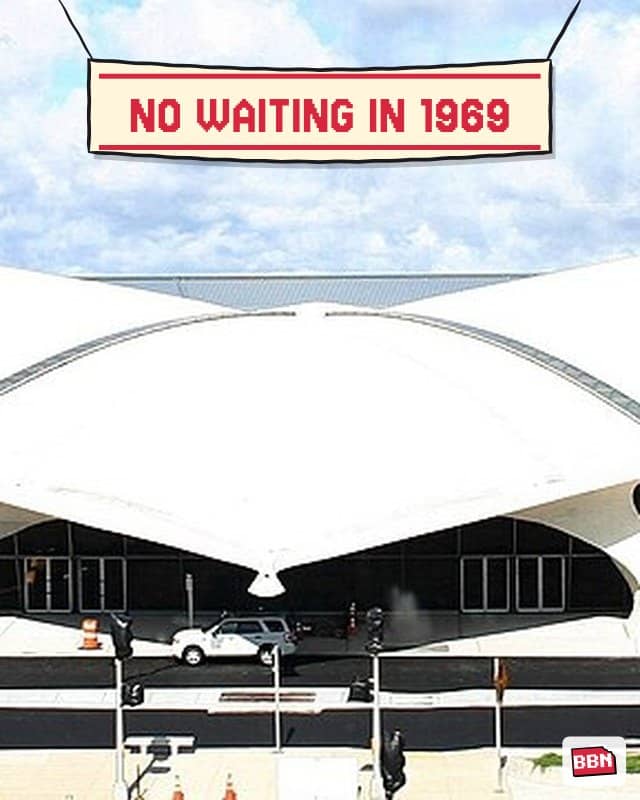 Photo: Roland Arhelger · CC BY-SA 4.0 · Wikimedia Commons · altered by BBN, shared under CC BY-SA 4.0
 Photo: thomascrenshaw · CC BY-SA 2.0 · Wikimedia Commons · altered by BBN, shared under CC BY-SA 2.0




From the archive: everything BBN aired on Tuesday, October 20, 2026 · the Tech archive · all months
More in Tech
All Tech →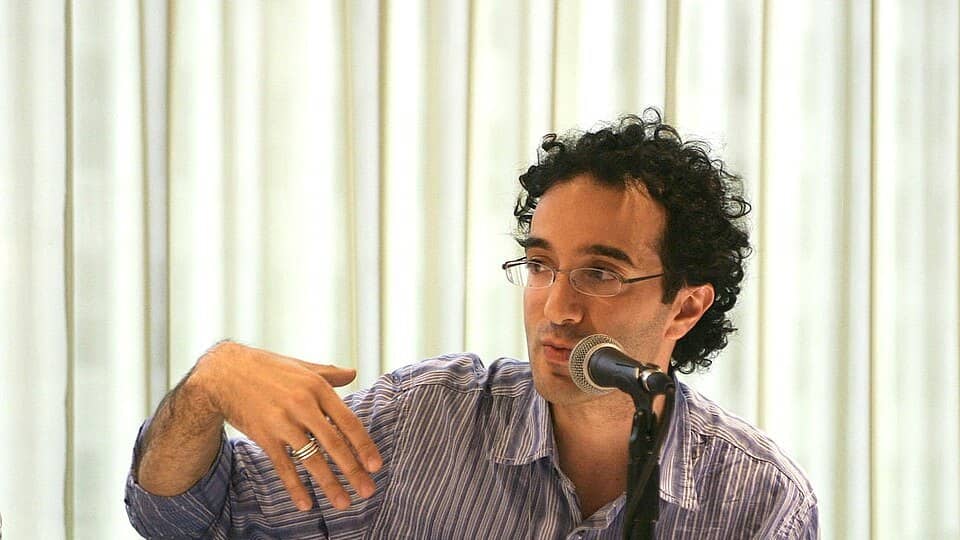
Jad Abumrad loves a butterfly knife and a good springy pillow
Abumrad created and hosted two Peabody-winning series on Dolly Parton and Fela Kuti, and The Verge's interview mostly covers his favorite stuff; the…
Final Fantasy VII Revelation director on scale and expectations
Director Naoki Hamaguchi says Hard Mode is available from first boot and some armor holds three linked materia slots; a parachute is also involved.
AI is reshaping vertical microdramas, director says
Director Paddy Ma, now based in Zhengzhou, says AI is changing microdramas that once needed twenty to thirty people per set; the actors had notes.
The world's timekeepers vote to abolish the leap second
Delegates from the International Bureau of Weights and Measures voted in Versailles; the world's clocks will switch to a continuous standard on May…